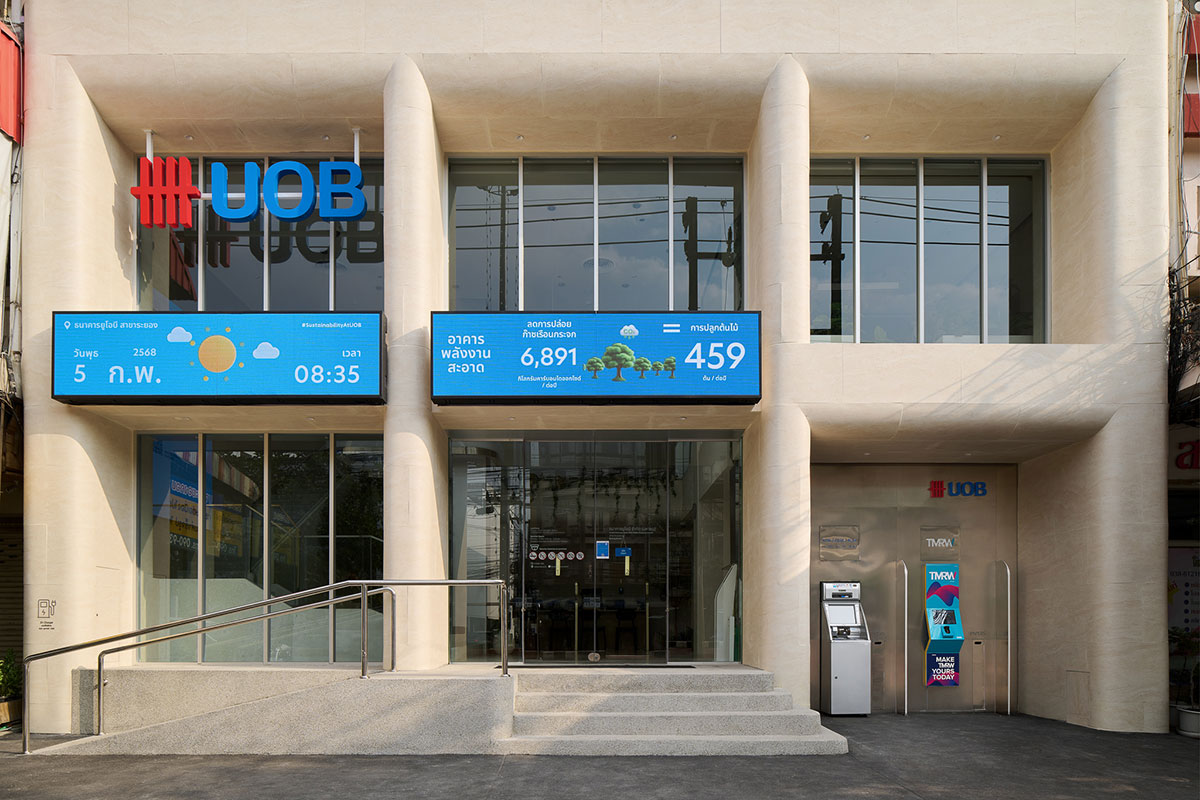
UOB Rayong Branch: Stepping into a Sustainable Future
At UOB, sustainability is not just a concept; it is a tangible commitment, as evidenced by UOB’s new branch in Rayong, a key province in the Eastern Economic Corridor (EEC) with continuous economic growth. It is not only a financial service centre for general customers and entrepreneurs, but also a model of a “sustainable bank branch” that prioritises the environment, the quality of life of customers and employees, and participation in the sustainable development of local communities. This is an important principle underpinning the design of this branch. Ms Piyaporn Ratanaprasartporn, Country Function Head of Channels & Digitalisation, UOB Thailand, explains the evolving role of sustainability in business:
“In alignment with our ambition to achieve net-zero greenhouse gas emissions by 2050, UOB Thailand has developed a Carbon Reduction Action Plan for 2024–2030. This plan focuses on enhancing energy efficiency and reducing overall greenhouse gas (GHG) emissions across our operations. The sustainability-driven design of our Rayong Branch serves as a tangible demonstration of our commitment, sincerity, and dedication to fostering a better environment and supporting the communities we serve.”

UOB Rayong Branch: Prototype of the future bank branch
UOB Rayong Branch has been designed to be energy efficient, reduce environmental impact and enhance the quality of life for customers, employees and communities with 3 main design concepts that focus on sustainability:
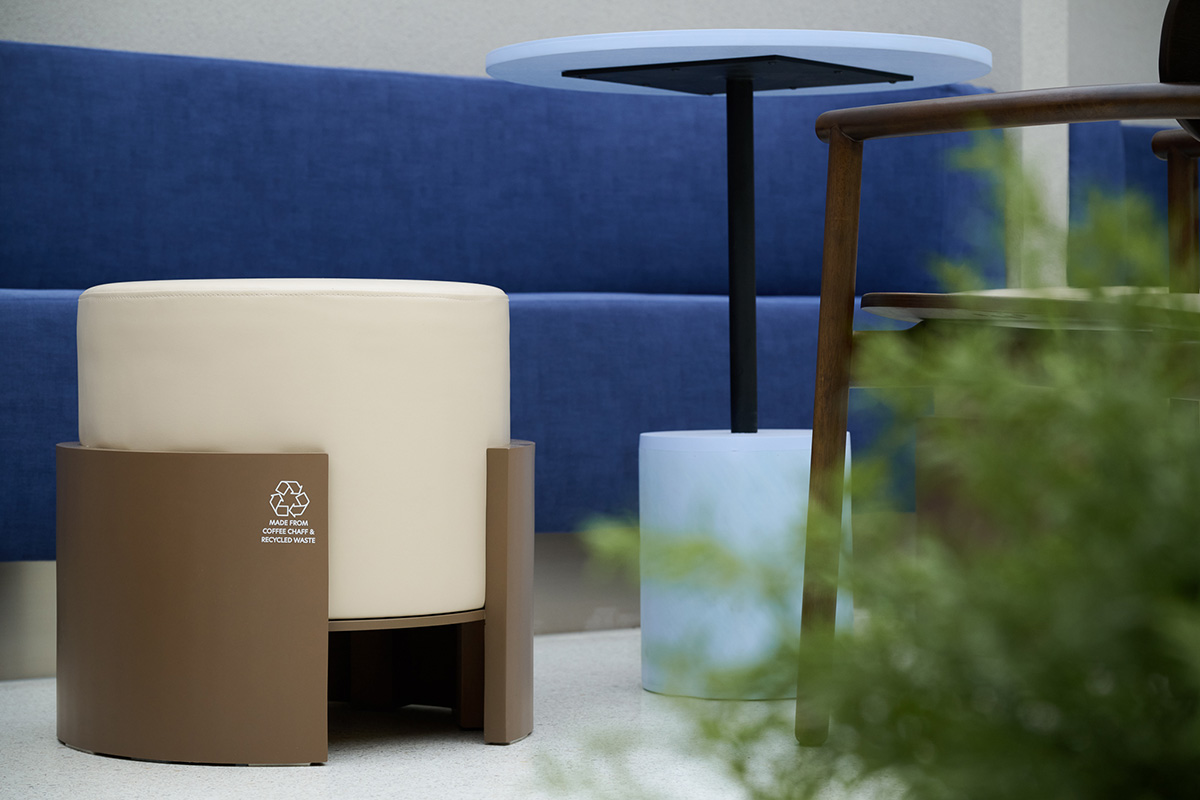
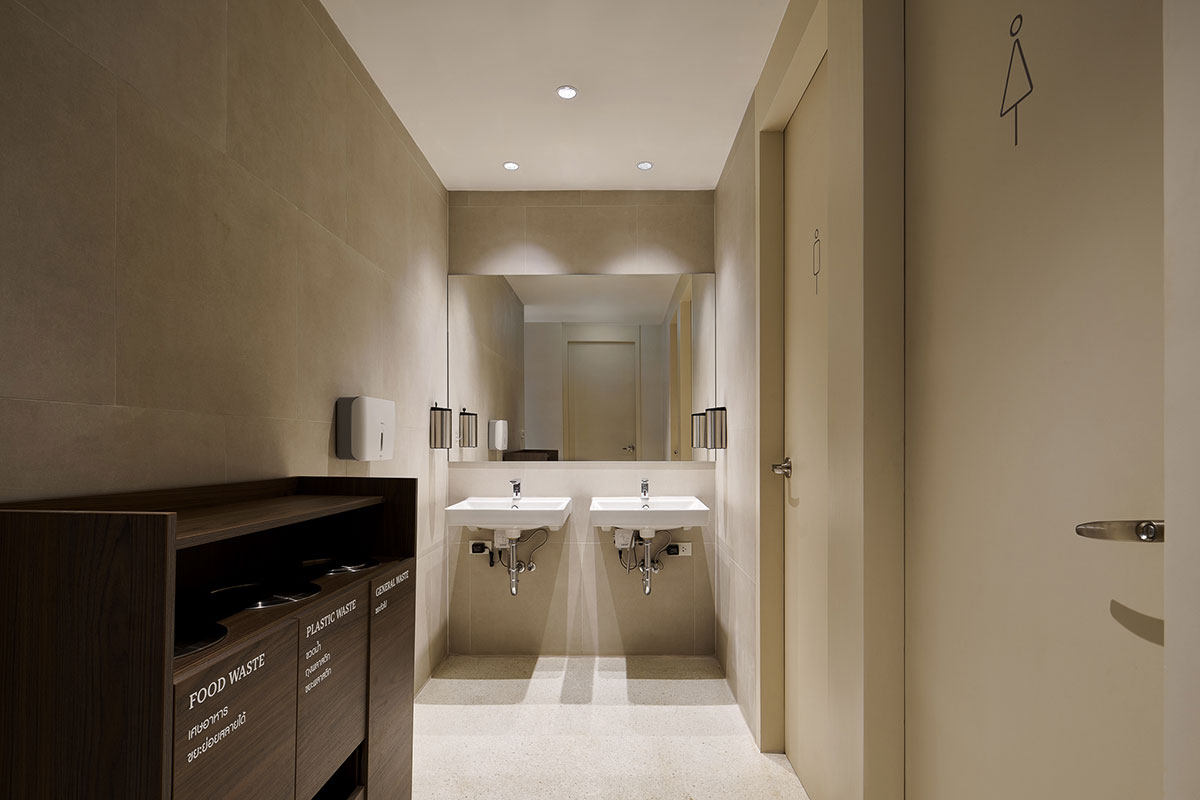
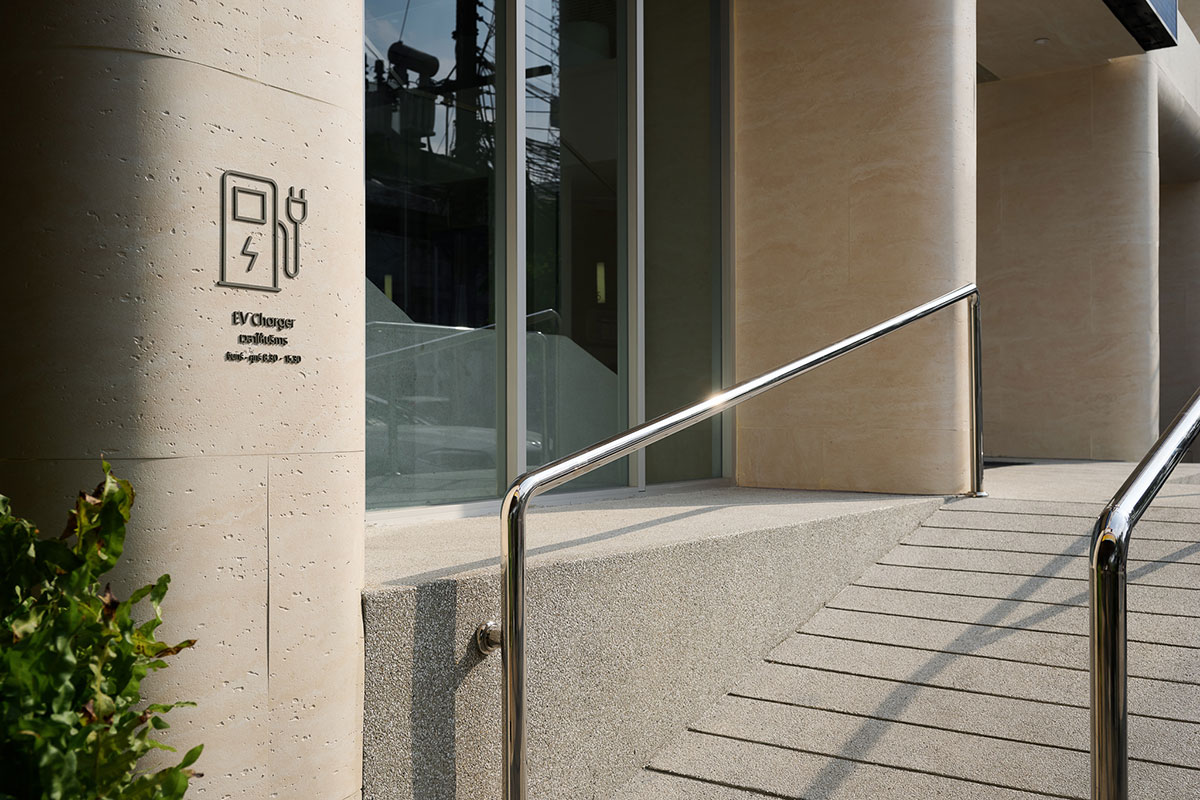
1. Energy-saving and environmentally friendly buildings - Care about the environment in every design element and material selection, such as designing to use natural light in the building to reduce electricity consumption, installing solar roof top panels to produce clean energy which will work in conjunction with the Smart Building system to automatically control energy saving, using environmentally friendly materials and reducing emissions by using furniture made from recycled materials, installing air filtration systems to control indoor air quality to be clean at all times, choosing sanitary systems that reduce water usage, including using electric vehicles and installing electric vehicle charging points to reduce carbon emissions into the environment.
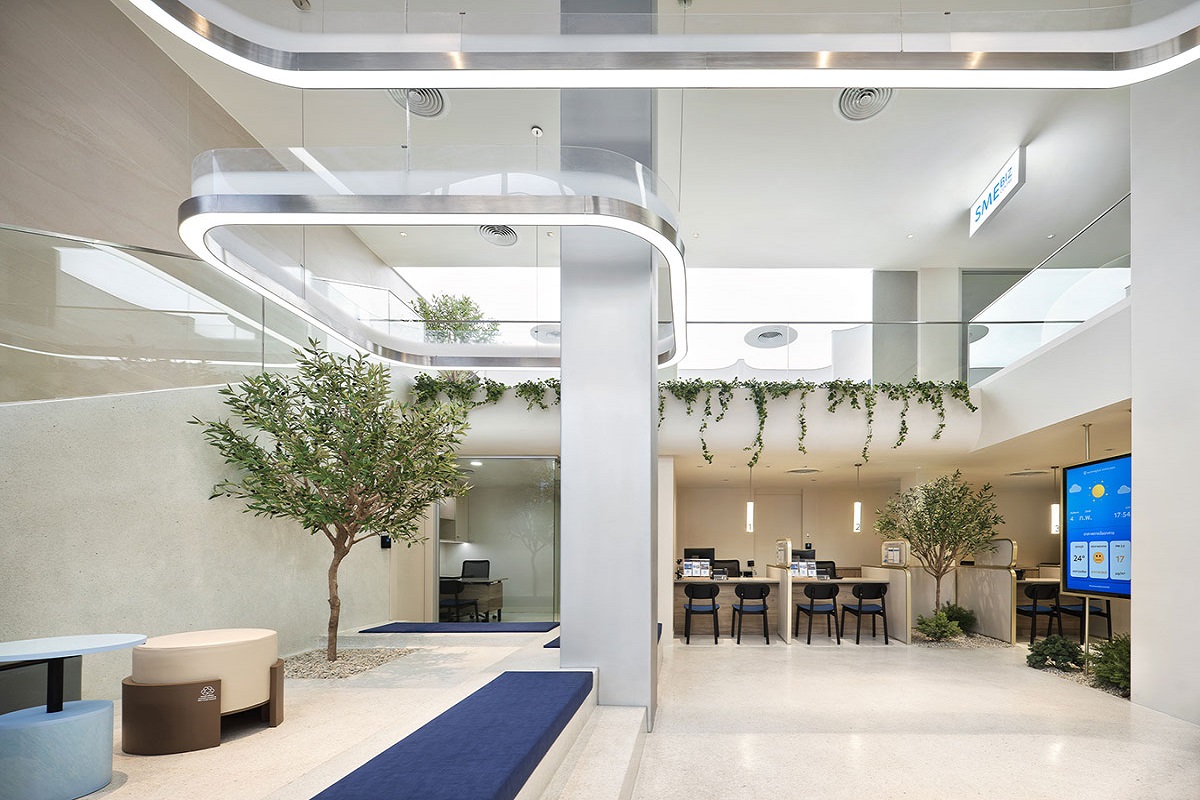
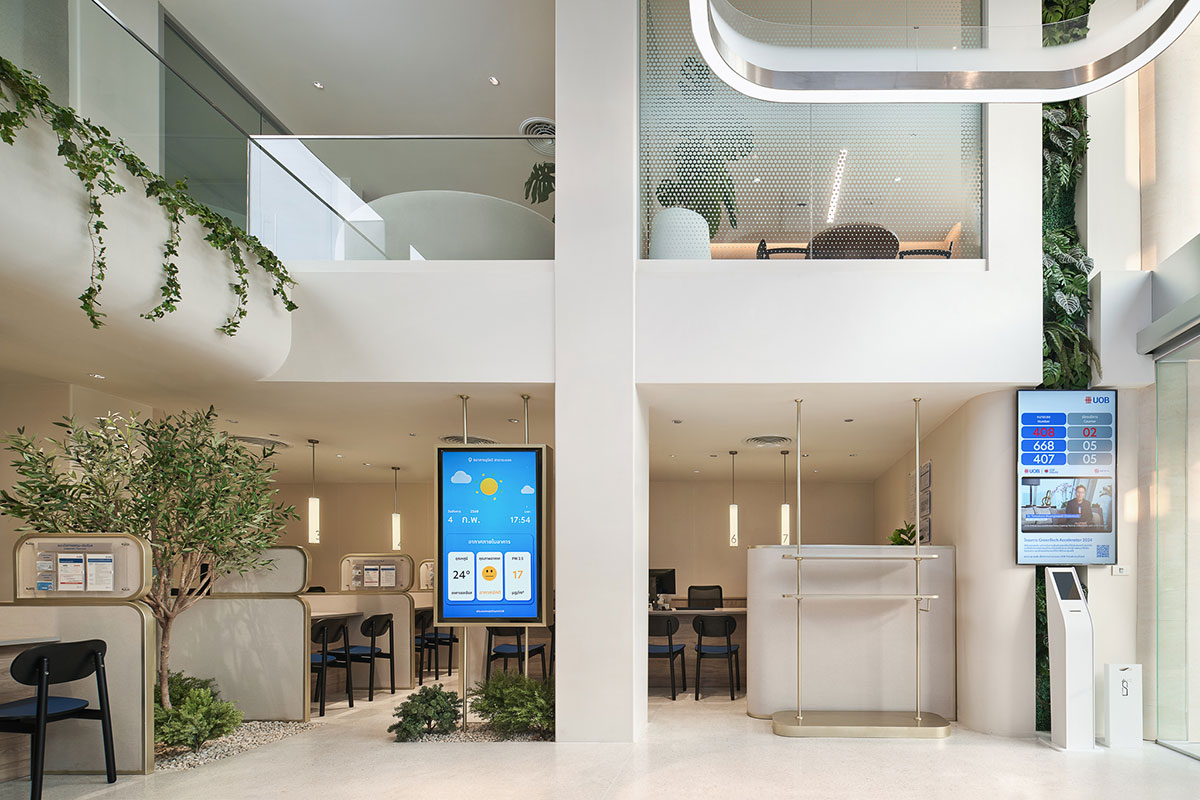
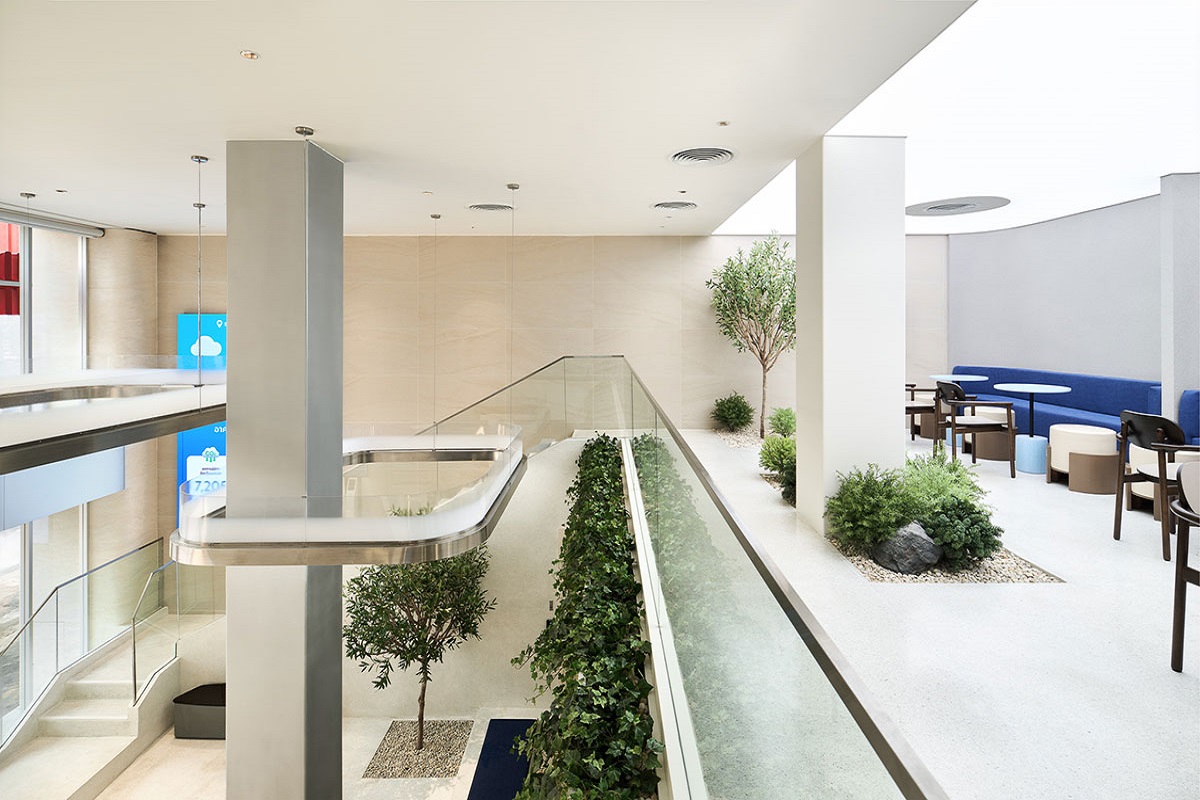
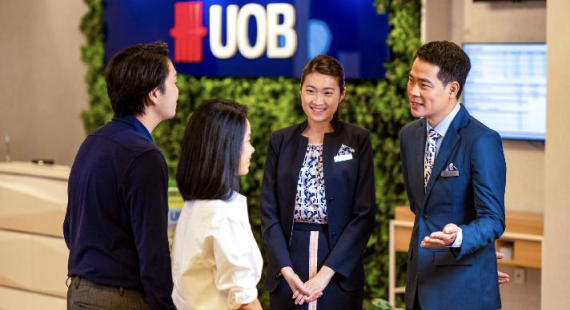
2. Aiming to build good relationship with customers and community engagement - Through customer-centric design, the consulting service area is enhanced to help drive sustainable business development and growth. Focusing on engagement spaces within the branch to support knowledge sharing for customers and the community, as well as creating a relaxing environment and atmosphere conducive to providing impressive services.
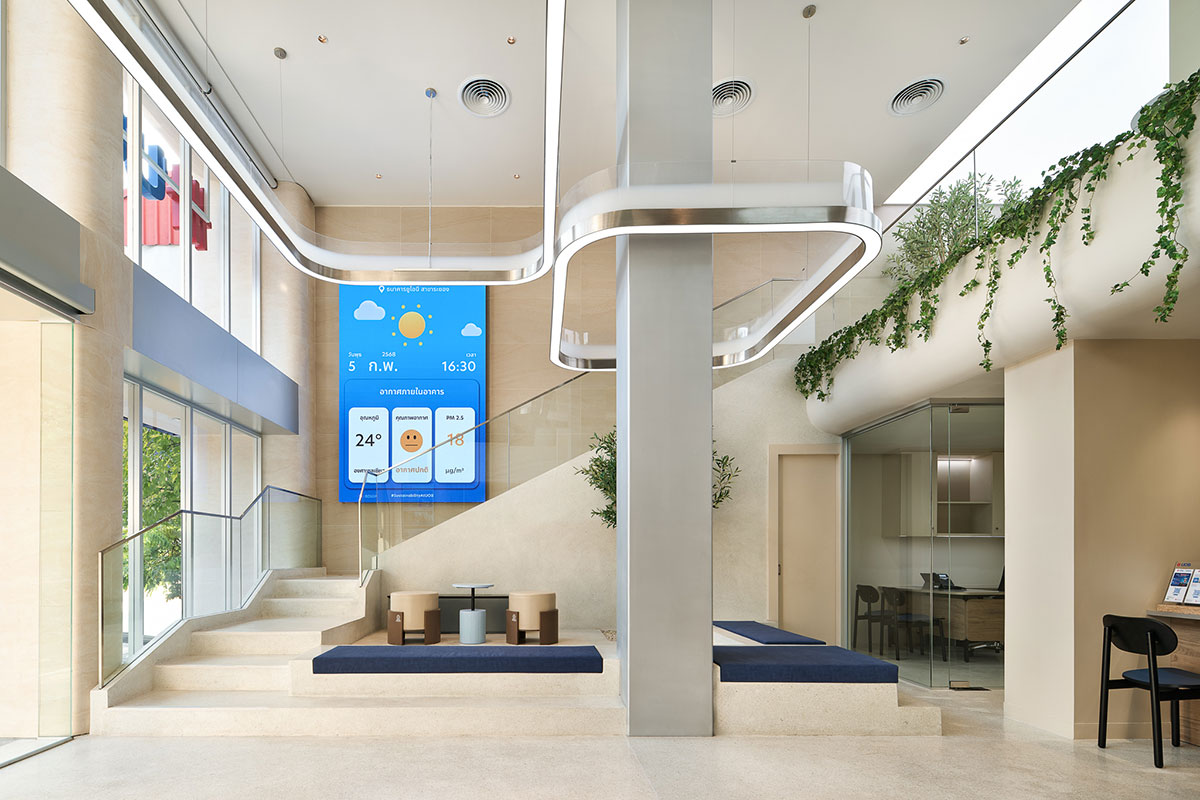
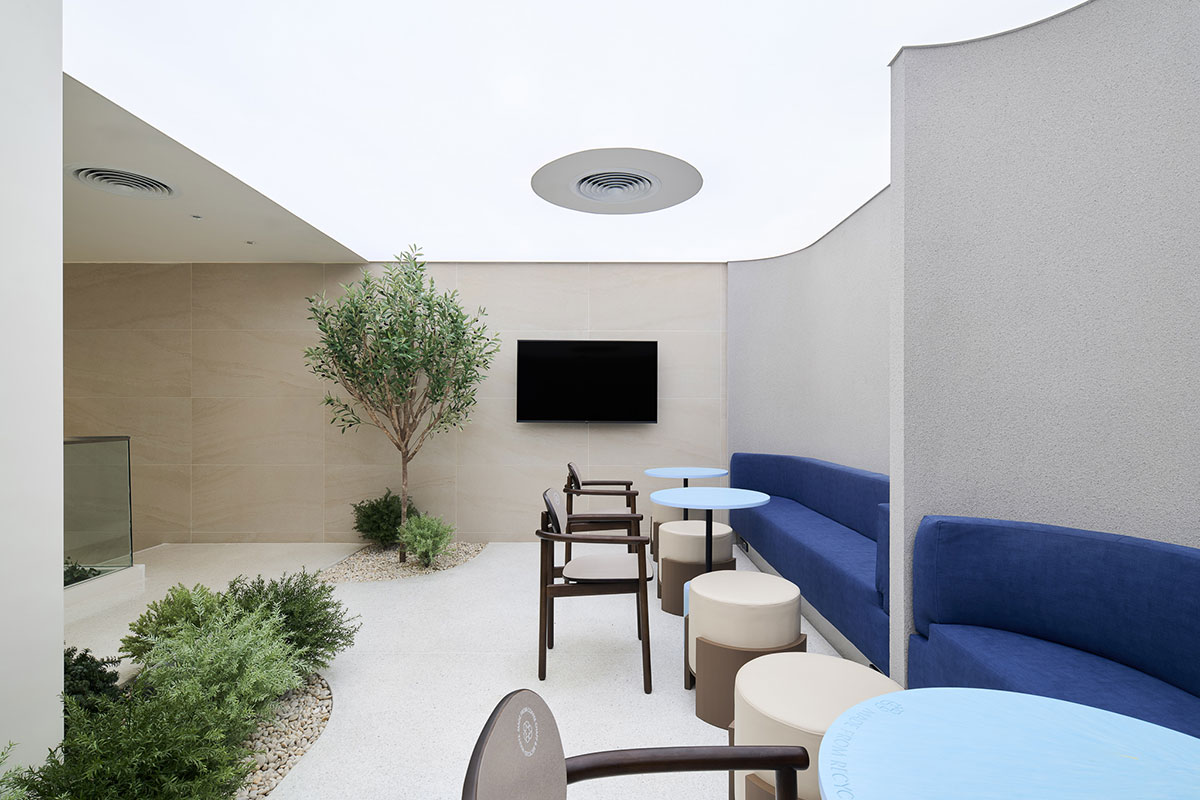
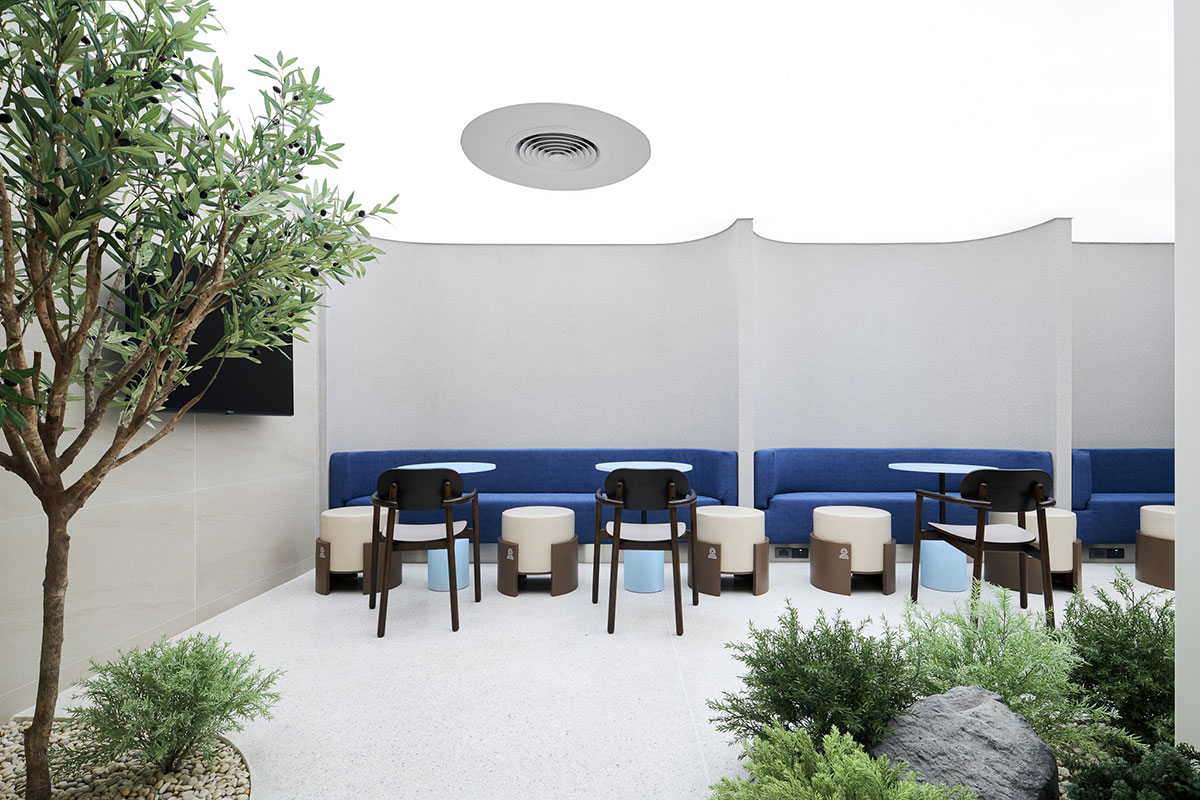
3. Providing professional financial services by experts - The Bank places importance on developing skilled and responsible personnel by analysing customer needs and offering financial products that are appropriate for each customer. Including a customer service centre for SME with experienced customer relationship managers to provide advice and recommend products that are suitable for the business, including products that support the development of the business towards sustainability.
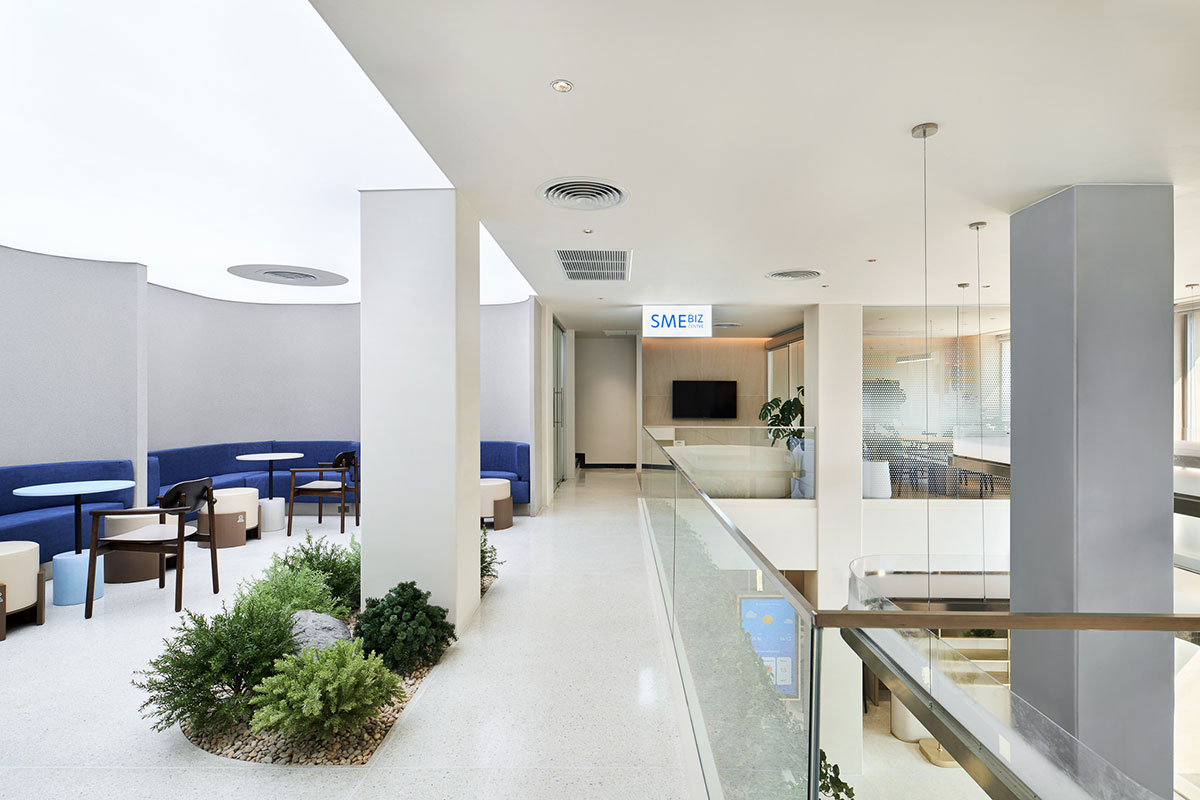
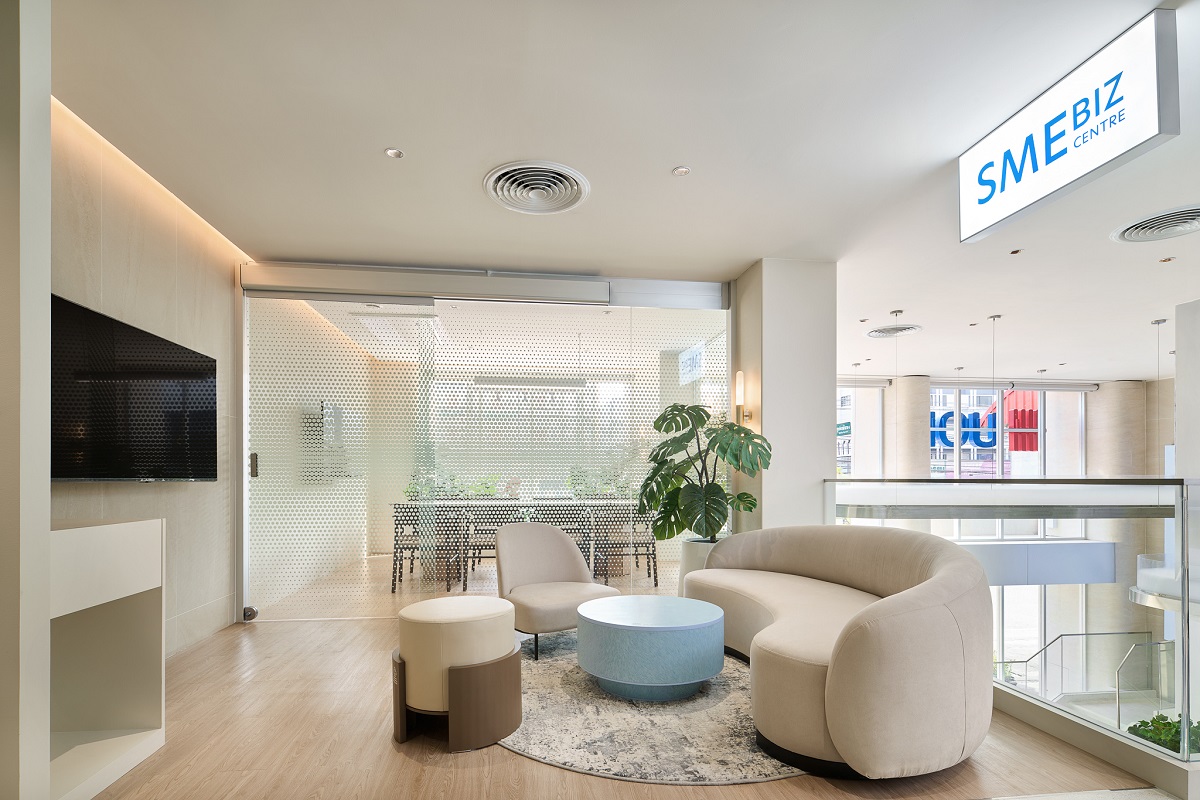
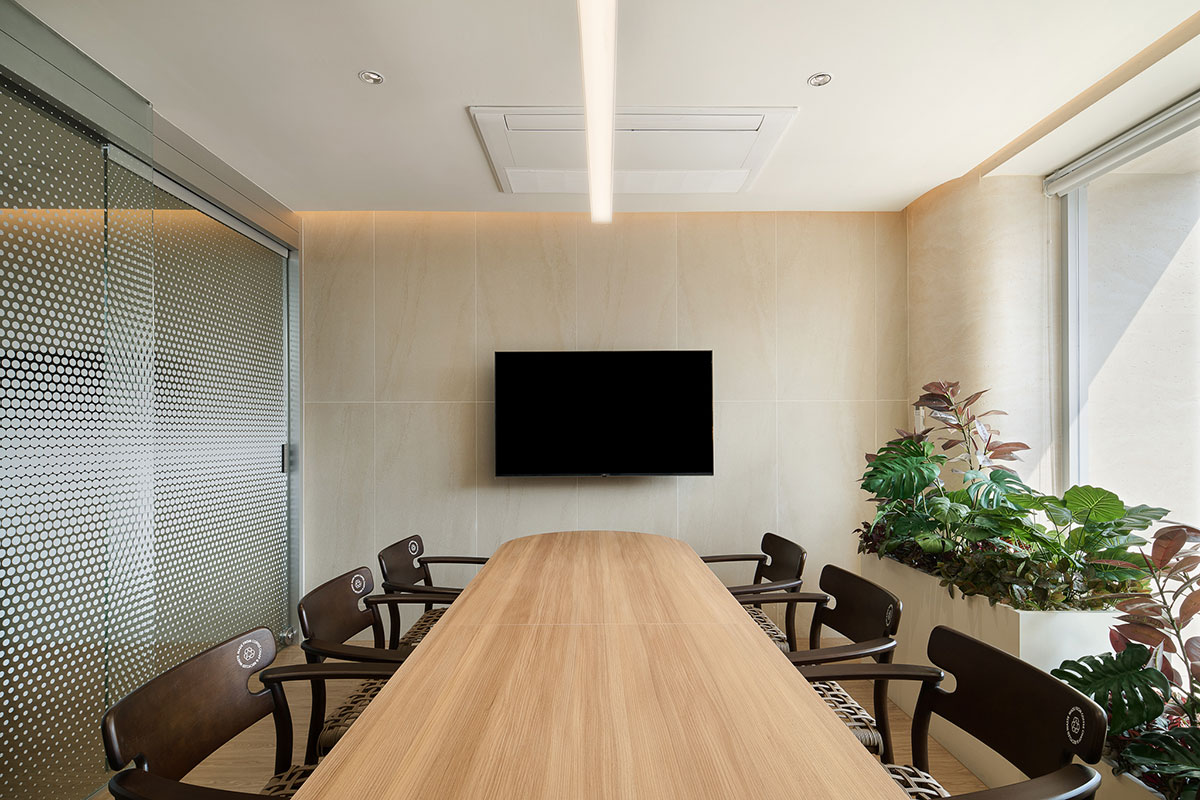
Milestone Achievement: UOB Rayong Branch Becomes Thailand’s First Bank Branch to Earn LEED v4 Platinum Certification for Interior Design and Construction
To affirm its commitment to sustainable design, UOB Rayong Branch has been awarded the Leadership in Energy and Environmental Design (LEED) v4 Interior Design and Construction: Commercial Interior certification at the Platinum level by the U.S. Green Building Council (USGBC). This is the highest tier under the LEED framework, requiring outstanding performance across multiple sustainability categories. In addition to its environmentally conscious construction, UOB Rayong Branch continues to operate in alignment with long-term sustainability goals, making it the first bank branch in Thailand to receive this top-level recognition.

What is LEED and Why is it Important?
LEED (Leadership in Energy and Environmental Design) is a globally recognised standard for the design, construction, and operation of buildings that prioritise energy efficiency, responsible resource use, and the creation of healthy, high-quality environments for occupants. Buildings certified under the LEED framework reflect a strong commitment to sustainability, demonstrating a balanced approach between environmental responsibility and the well-being of building users. Achieving a LEED Platinum rating represents the highest level of performance in sustainable building practices.
LEED certification is categorized based on the type of building use, as follows:
- Building Design and Construction (BD+C): For new construction projects of entire buildings.
- Operations and Maintenance (O+M): For existing buildings seeking to improve management and operations to be more environmentally friendly.
- Interior Design and Construction (ID+C): For interior design and fit-out projects, such as commercial buildings, retail spaces, and bank branches.
Why is LEED v4 Interior Design and Construction: Commercial Interior Important?
Interior Design and Construction (ID+C) is the LEED standard for projects that do not involve constructing a new building but focus on developing or renovating interior spaces. Specifically, Commercial Interior projects aim to create environmentally friendly interiors that maximize resource efficiency and promote sustainable use of energy, materials, and space
The Importance of LEED v4 Interior Design and Construction: Commercial Interior
- Enables existing buildings to transition toward sustainable practices without the need for new construction.
- Emphasises the use of safe, environmentally responsible materials to minimise ecological impact.
- Designs highly efficient lighting, air, and energy systems.
- Creates a healthy and comfortable environment for employees and building users.
This certification also highlights that:
- UOB Rayong Branch is the first bank branch in Thailand to achieve LEED v4 Interior Design and Construction: Commercial Interior Platinum.
- UOB Rayong Branch serves as a flagship sustainability branch, setting a new benchmark for sustainability in the banking sector.
Design and Construction Concept Summary
The sustainable design and construction of UOB Rayong Branch incorporates high-performance building materials such as walls and glazing with excellent heat insulation, energy-efficient HVAC systems that adjust based on demand, and LED lighting to minimize energy consumption. Environmentally friendly construction materials and renewable energy sources are also utilized to reduce reliance on conventional electricity.
Tangible Results
The Rayong branch’s sustainable design directly benefits the environment and resource efficiency:

Energy Savings
- The Rayong branch reduces energy consumption by up to 81.03% compared to standard benchmarks (LEED reference), saving 44,069.50 kWh of electricity per year and cutting electricity costs by over THB 116,644.461 annually — equivalent to planting 2,638 trees per year.

Water Conservation
- Water usage is reduced by 75,806.93 liters per year, which is equivalent to providing drinking water for 76 people annually2

Carbon Emission Reduction
- The Rayong branch lowers greenhouse gas emissions by 26,421 kgCO₂e per year, equivalent to saving 75,017.04 liters of diesel fuel annually, or the same as 815 round trips between Bangkok and Chiang Mai by diesel vehicle3

Indoor Environmental Quality
- The Rayong branch features an efficient indoor ventilation system to promote air circulation and reduce the accumulation of indoor air pollutants.
- Fine particulate matter (PM2.5 and PM10) is carefully monitored and controlled to remain within safe standards.
- Temperature and humidity control systems are implemented to ensure a comfortable and healthy indoor environment for all occupants.
A Model for the Bank of the Future
UOB Rayong Branch is more than just a financial service centre — it stands as a showcase of environmentally conscious and community-focused design and construction. We remain committed to developing branches that reflect the values of responsibility, innovation, and sustainability, paving the way toward a better future.
#SustainableFutureWithUOB
1 1 unit of electricity is priced at THB 4.4217.
2 The average drinking water consumption per person is 1,000 liters per year. With a total water savings of 75,805.93 liters, this is equivalent to providing drinking water for approximately 76 people annually.
3 Assuming an average fuel efficiency of 15 km per liter, the saved diesel amount of 75,017.04 liters translates to a total distance of 1,125,255.6 km. Considering a round-trip distance between Bangkok and Chiang Mai of 1,380 km, this is equivalent to 815 round trips